
A biometric door access system is becoming an important security solution for businesses in Nigeria looking to protect their offices, employees and valuable assets. From controlling entry into restricted departments to securing sensitive documents and business equipment, organisations need reliable ways to manage access to their premises. Traditional keys, access cards and manual security registers may not always provide the level of control required in modern office environments.
An office biometric door access control system in Nigeria offers a smarter approach to workplace security by using unique employee identification features to manage entry into buildings and restricted areas. Through technologies such as fingerprint recognition and facial recognition, businesses can verify identities before granting access to authorised individuals.
For organisations looking to improve physical security, biometric access control provides a practical way to strengthen entry management, improve accountability and protect valuable business assets.
What Is a Biometric Door Access Control System?
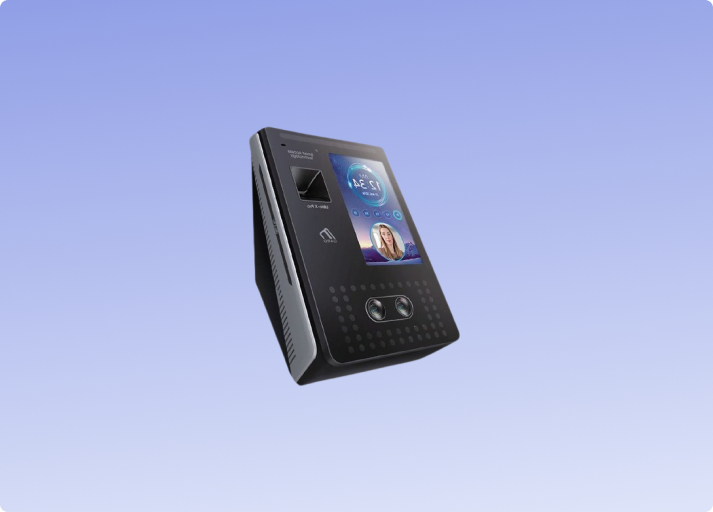
A biometric door access control system is a security solution that uses unique biological characteristics to verify a person’s identity before allowing access to a particular area.
Unlike traditional locks that rely on physical keys or access cards, biometric systems identify individuals using features such as fingerprints, facial characteristics or iris patterns.
When an employee approaches a secured entrance, the system checks their registered biometric information against stored records. If the identity is verified and the individual has the required access permission, the connected door locking mechanism allows entry.
Depending on the system configuration, businesses can manage access to individual offices, server rooms, departmental entrances, storage facilities and other restricted areas.
These systems can also be connected to centralised access management software, allowing authorised security personnel to monitor and manage access permissions.
Why Nigerian Offices Need Biometric Door Access Control
Many organisations still depend on conventional keys, security personnel and manual visitor registers to manage building access. While these methods can provide basic protection, they may become difficult to manage as businesses expand.
Here are some reasons organisations should consider biometric door access control.
1. Prevents Unauthorised Access
One of the main benefits of biometric access control is the ability to restrict entry to approved individuals.
Businesses can register employees and assign specific access permissions based on their departments, roles or responsibilities.
For example, employees working in the finance department may have access to designated offices, while server rooms and sensitive storage areas remain restricted to authorised personnel.
This helps organisations establish better control over who can enter different parts of their premises.
2. Eliminates Dependence on Traditional Keys
Traditional keys can be misplaced, duplicated or shared with other individuals. When an employee leaves an organisation, businesses may also need to replace locks or recover physical keys to maintain security.
Biometric access control reduces dependence on physical keys by using registered employee identities for verification.
Access permissions can be updated or withdrawn through the management system when employees change roles or leave the organisation.
3. Improves Workplace Accountability
Access control systems can maintain records of entry and exit activities, depending on the installed configuration.
These records help security teams review access activities, monitor movement through designated entry points and investigate unusual access attempts.
For businesses handling confidential information or valuable equipment, this additional visibility can support better security management.
4. Protects Sensitive Business Areas
Not every employee needs access to every part of an office building.
Areas such as server rooms, executive offices, financial records departments and equipment storage facilities may require additional security.
A biometric door access control system allows businesses to establish different access levels for different employees.
This helps reduce unnecessary access to sensitive areas and supports a more organised security structure.
5. Improves Employee Convenience
Employees no longer need to carry multiple keys or remember complicated access codes when biometric identification is used.
Depending on the technology installed, they can gain authorised entry through fingerprint or facial recognition.
This makes daily access more convenient while maintaining controlled entry into the workplace.
Types of Biometric Door Access Control Systems in Nigeria
Different biometric technologies are available to businesses depending on their security requirements, building structure and preferred authentication methods.
Fingerprint Door Access Control System
Fingerprint access control uses the unique patterns of an individual’s fingerprint to verify identity.
Employees register their fingerprints with the system and use them to gain access to secured entrances.
Fingerprint technology is suitable for many office environments because it provides a convenient method of identity verification without requiring employees to carry physical keys.
Facial Recognition Door Access Control System
Facial recognition systems identify individuals by analysing distinguishing facial characteristics.
Employees can approach an access terminal for identity verification without physically touching the device.
This makes facial recognition useful for organisations looking for contactless entry management and convenient employee identification.
Iris Recognition Access Control
Iris recognition uses the unique patterns within an individual’s iris to verify identity.
It can be considered for specialised environments where organisations require additional biometric identification options.
The choice of technology should depend on the security requirements, expected user volume and operating environment.
Key Features to Look for in an Office Biometric Access Control System
Before investing in an office biometric door access control system in Nigeria, businesses should consider the features that will support their security requirements.
1. Multiple Authentication Methods
A good access control solution should support suitable identification options, such as fingerprint recognition, facial recognition, smart cards or PIN verification, depending on the terminal.
2. Access Permission Management
The system should allow administrators to assign access privileges based on employee roles, departments, locations and approved time schedules.
3. Real-Time Access Monitoring
Access monitoring allows authorised personnel to review entry activities and identify unusual access attempts.
4. Centralised Access Management
For businesses with multiple offices or restricted areas, centralised management makes it easier to administer access permissions from a single platform.
5. Visitor Management
Visitor management capabilities help organisations register visitors, issue temporary access credentials where supported and maintain records of visitor activities.
6. Integration with Other Security Systems
An access control system can become more effective when integrated with other security technologies, including CCTV surveillance, alarm systems, turnstiles and time and attendance solutions.
These integrations can provide businesses with a more coordinated approach to workplace security.
Industries That Benefit from Biometric Door Access Control
Biometric access control is useful across different industries where businesses need to protect employees, equipment, information and physical facilities.
Corporate Offices: Businesses can control access to office entrances, executive departments, meeting rooms and confidential workspaces.
Banks and Financial Institutions: Financial organisations can restrict access to sensitive departments, records rooms and areas where financial information is handled.
Manufacturing Facilities: Factories can control entry into production areas, equipment rooms, warehouses and other restricted operational spaces.
Hospitals and Healthcare Facilities: Healthcare institutions can manage access to medical records departments, laboratories, pharmacies and authorised staff areas.
Educational Institutions: Schools and universities can strengthen security around administrative offices, laboratories, computer rooms and other designated facilities.
Oil and Gas Companies: Organisations operating sensitive facilities can establish controlled entry procedures for employees, contractors and authorised visitors.
Why Choose Virdi Nigeria for Biometric Access Control Solutions?
Choosing the right access control technology is important for establishing a secure and manageable workplace environment.
Virdi Nigeria Limited specialises in biometric identification and workforce management solutions that help organisations improve security and operational efficiency.
Its biometric technology portfolio includes fingerprint and facial recognition terminals, access control solutions and supporting management software.
Depending on the selected configuration, businesses can explore solutions that support:
- Fingerprint-based employee identification.
- Facial recognition access verification.
- Controlled entry into restricted areas.
- Access permission management.
- Employee access monitoring.
- Integration with time and attendance systems.
- Integration with other security and building management technologies.
These solutions can help organisations move beyond traditional key-based security and adopt a more organised approach to managing workplace access.
Whether you manage a corporate office, financial institution, manufacturing facility or commercial building, Virdi Nigeria can help you explore biometric security solutions suited to your operational requirements.
Visit Virdi Nigeria to learn more about its biometric identification and security solutions.